-
Will CBD Oil Show Up on a Drug Test?
 October 12, 2026
-
CBD Lotion Ingredients Explained
 September 23, 2026
-
CBD Gummies Strength Guide
 September 19, 2026


Full Spectrum vs Broad Spectrum vs Isolate: Which CBD Extract Is Right for You?
Choosing a CBD product starts with understanding what is inside it. While bottles and packages may look similar, their extracts can differ significantly. Full-spectrum CBD includes CBD alongside other hemp compounds, including THC. Broad-spectrum CBD retains multiple hemp compounds but is processed to remove THC. CBD isolate contains CBD separated from the plant’s other compounds.
The right choice depends on your priorities, particularly your comfort with THC, your preference for a simpler ingredient profile, and the product’s verified contents. No extract type is automatically the best option for everyone.
What Do CBD Extract Types Actually Mean?
CBD, short for cannabidiol, is one of the cannabinoids found in hemp. Hemp extracts can also contain additional cannabinoids and aromatic compounds called terpenes.
The terms full spectrum, broad spectrum, and isolate describe which plant compounds remain after extraction and processing. They do not tell you how much CBD a product contains, how well it is made, or whether it will suit your needs.
For example, a broad-spectrum oil and an isolate oil could have the same amount of CBD per serving but different cannabinoid profiles. Likewise, a full-spectrum label does not automatically make a product stronger.
Think of extract type as a description of composition, not a quality ranking.
What Is Full Spectrum CBD?
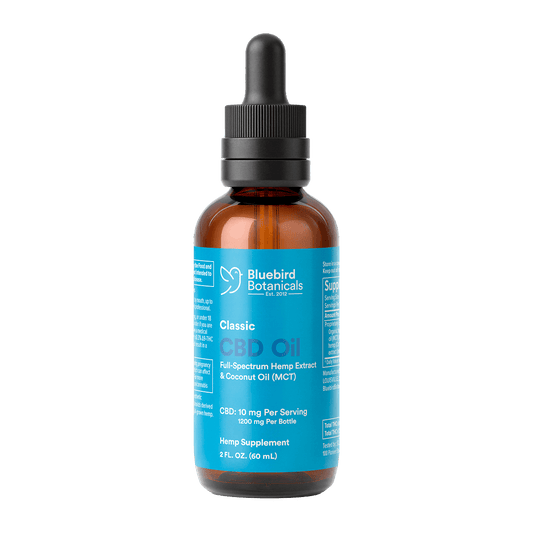
Full-spectrum CBD contains CBD plus a range of other naturally occurring hemp compounds. These may include minor cannabinoids, terpenes, and THC. The exact composition varies between products. Two full-spectrum oils can contain different amounts of CBD, different minor cannabinoids, and different terpene profiles.
Why People Choose Full Spectrum CBD
Full-spectrum CBD may appeal to someone who wants a multi-compound hemp extract and is comfortable with THC being present.
It is frequently discussed in connection with the “entourage effect,” the idea that hemp compounds may influence one another when used together. However, don't treat this concept as proof that every full-spectrum product works better than broad-spectrum CBD or isolate.
Claims that full-spectrum CBD is universally better go beyond what shoppers can reliably conclude from the label alone.
What to Consider Before Choosing It
THC is the main distinction to evaluate. Even when a product contains a relatively small amount, that does not make THC exposure irrelevant.
The concentration, serving size, frequency of use, and individual sensitivity all matter. Full-spectrum CBD is not a suitable choice for someone who needs to avoid THC, and its use can create a risk of a positive drug test. [Link “positive drug test” to the October post “Will CBD Oil Show Up on a Drug Test?” once it is live.]
What Is Broad Spectrum CBD?
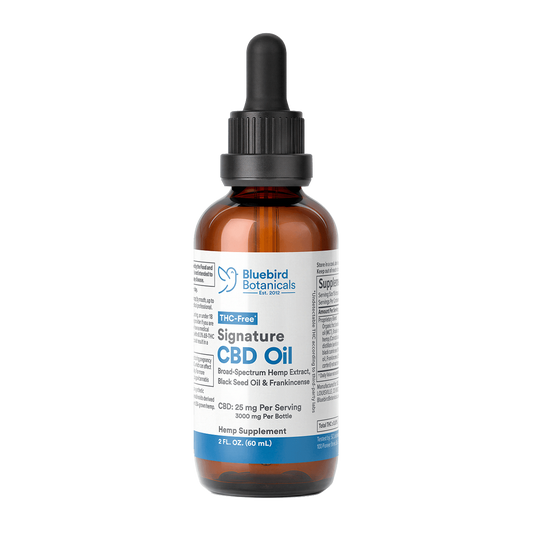
Broad-spectrum CBD contains CBD and additional hemp compounds but undergoes processing intended to remove THC. Depending on the product, it may retain minor cannabinoids and terpenes. However, broad-spectrum doesn't mean every compound from the original plant remains, nor does it guarantee a specific combination.
Why People Choose Broad Spectrum CBD
Broad-spectrum CBD may interest people who prefer a multi-compound extract but want to minimize THC exposure. It sits between the other two categories in terms of composition: more plant compounds than isolate, but with THC removal as part of the manufacturing process.
That makes it a distinct option, not simply a weaker version of full-spectrum CBD.
Does Broad Spectrum Mean Zero THC?
Not necessarily in an absolute sense. A product may have THC below a laboratory’s detection or reporting limit rather than a demonstrably absolute zero amount. Manufacturing quality and testing accuracy matter, too. A “THC-free” claim on packaging is not a substitute for reviewing the product’s laboratory results. If avoiding THC is essential, examine the batch-specific certificate of analysis rather than relying on the broad-spectrum label.
What Is CBD Isolate?
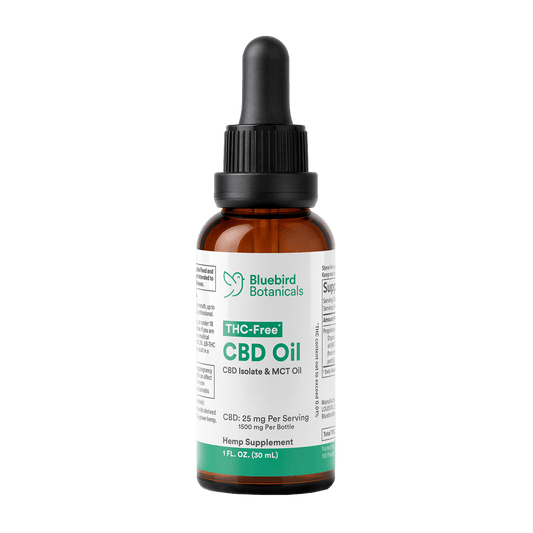
CBD isolate is purified CBD separated from other hemp compounds. The extract itself does not intentionally include THC, other cannabinoids, or the plant’s original terpene profile.
However, an isolate-based finished product can still contain additional ingredients. An oil may include a carrier oil, while gummies can contain sweeteners, flavors, and other ingredients.
Why People Choose CBD Isolate
CBD isolate may appeal to someone who wants CBD without an intentionally included mix of other cannabinoids. Its simpler cannabinoid profile can make it easier to understand what the manufacturer is adding. It may also suit shoppers who do not want the broader plant composition associated with full-spectrum or broad-spectrum extracts.
Still, a simpler composition does not automatically mean better quality or more predictable results. Independent testing remains important.
Full Spectrum vs Broad Spectrum CBD: The Key Differences
When comparing full spectrum vs broad spectrum CBD, the most important difference is how each category handles THC. Full-spectrum CBD includes THC as part of its cannabinoid profile. Broad-spectrum CBD is processed to remove it while retaining some other hemp compounds.
Both can contain multiple cannabinoids, but their actual profiles may differ substantially. A full-spectrum product with several measurable minor cannabinoids is not compositionally identical to a broad-spectrum product containing mostly CBD and a small amount of another cannabinoid.
For a meaningful comparison, look at:
- The CBD amount per serving
- The measured THC content
- Which additional cannabinoids are present
- Any available terpene results
- The complete ingredient list
- Whether the lab report matches the product’s batch
The category name gives you a starting point. The laboratory report provides the details.
CBD Isolate vs Broad Spectrum: Which Makes More Sense?
The CBD isolate vs. broad-spectrum comparison centers on whether you want additional hemp compounds alongside CBD. Choose an isolate-based product if your priority is a CBD-only cannabinoid profile. Consider broad-spectrum CBD if you prefer multiple hemp compounds while minimizing THC exposure.
Neither choice guarantees a particular experience.
How a product fits your routine depends on the final formulation, the amount used, and individual factors, not just the extract category.
For example, someone choosing between two oils should compare their CBD content and ingredients before attributing any difference solely to isolate or broad spectrum.
How to Check a CBD Product Before Buying
Regardless of extract type, verification matters more than marketing language.
Review the Certificate of Analysis
A certificate of analysis, often called a COA, reports laboratory testing results. Look for a report from an independent laboratory that corresponds to the exact product and batch. Bluebird Botanicals publishes batch-specific lab results for its products.
Check whether it includes:
- CBD concentration and other cannabinoid results
- THC results and relevant testing limits
- Product identification and batch number
- The testing date
- Screening for contaminants such as pesticides, heavy metals, residual solvents, and microbes
“Not detected” means the laboratory did not detect the compound above its stated testing limit. It does not establish absolute absence.
Read the Entire Ingredient List
Extract type tells only part of the story. Carrier oils, flavorings, sweeteners, and other ingredients can influence whether a product fits your preferences or dietary restrictions.
An isolate gummy isn't necessarily a single-ingredient product, and a broad-spectrum oil isn't automatically free of ingredients you want to avoid.
Compare Equivalent CBD Amounts
Compare products using the amount of CBD per serving, not just the total amount printed on the front of the package. A larger bottle or higher total CBD number does not necessarily mean each serving contains more CBD. Check the serving information before comparing price or concentration.
Which CBD Extract Is Right for You?
Start with your THC requirements, then consider the composition you prefer.
- Full-spectrum CBD may fit someone who wants multiple hemp compounds and accepts THC exposure.
- Broad-spectrum CBD may fit someone who wants additional hemp compounds while minimizing THC exposure.
- CBD isolate may fit someone who prefers CBD without other intentionally included cannabinoids.
If avoiding THC is nonnegotiable, do not let an extract label override that requirement; explore THC-free CBD products and check each batch’s lab results. For any category, choose based on verified contents, transparent ingredients, and your own needs rather than promises that one spectrum is best for everyone.