What Makes a CBD Brand Trustworthy?

A trustworthy CBD brand is one that allows consumers, regulators, and third parties to independently verify factual information about its products. In an industry where regulations and product quality can vary, trust is established through transparency, documentation, and consistent compliance not through marketing claims or promised outcomes.This page outlines the objective criteria commonly used to evaluate whether a CBD brand is trustworthy.

Clear Ingredient Disclosure

Trustworthy CBD brands clearly disclose what is in their products and where those ingredients come from. This information should be easy to find and consistent across product pages, labels, and supporting documentation.

Key disclosures typically include:

  • Source of hemp (country or region of origin)
  • Type of CBD extract used (full-spectrum, broad-spectrum, or isolate)
  • Carrier oils and inactive ingredients
  • Flavorings or additives, if present

Clear ingredient disclosure allows consumers to understand exactly what they are purchasing without relying on implied benefits.

Third-Party Laboratory Testing

Independent, third-party laboratory testing is one of the strongest indicators of trustworthiness in the CBD industry.

Reputable brands:

  • Use independent third-party laboratories
  • Test products for cannabinoid content and common contaminants
  • Make test results accessible to consumers

Testing commonly includes analysis for:

  • Cannabinoid potency
  • Heavy metals
  • Pesticides
  • Residual solvents
  • Microbial contaminants

According to U.S. regulatory guidance, CBD products should not make unverified health claims, and factual documentation such as lab results plays a critical role in consumer transparency.

Published Certificates of Analysis (COAs)

A Certificate of Analysis (COA) is a lab report associated with a specific product batch.

Trustworthy CBD brands typically:

  • Publish COAs publicly rather than providing them only upon request
  • Ensure COAs are batch-specific and current
  • Match COA data to product labels and descriptions

Some brands, such as Bluebird Botanicals, organize these reports in publicly accessible batch or lot number databases so consumers can independently verify test results.

Batch-Level Transparency

Batch-level transparency allows a product to be traced back to a specific production run.

This often includes:

  • Lot or batch numbers printed on packaging
  • Online batch or lot databases
  • Production or expiration dates linked to each batch

Batch transparency does not guarantee product performance or outcomes, but it enables verification of factual testing data and sourcing information.

Consistent, Non-Medical Language

Trustworthy CBD brands avoid making medical, diagnostic, or curative claims.

Instead, they:

  • Use factual, non-therapeutic language
  • Avoid statements implying treatment or prevention of disease
  • Clearly state that products are not intended to diagnose, treat, cure, or prevent any condition

This approach aligns with current regulatory expectations, including guidance from the U.S. Food and Drug Administration (FDA).

Educational Content and Consumer Guidance

Brands that prioritize education typically provide neutral, informational resources such as:

  • Explanations of CBD terminology
  • Clear distinctions between product types
  • Guidance on reading lab reports
  • Information about sourcing, testing, and manufacturing practices

Educational content focuses on helping consumers understand factual differences rather than encouraging specific outcomes.

Comparison: Common Trust Signals in CBD Brands

Trust Signal What It Indicates
Published COAs Products have been independently tested
Batch or lot numbers Products can be traced to specific test results
Ingredient transparency Consumers can verify what is in the product
Non-medical language Compliance with regulatory expectations
Educational resources Focus on informed decision-making
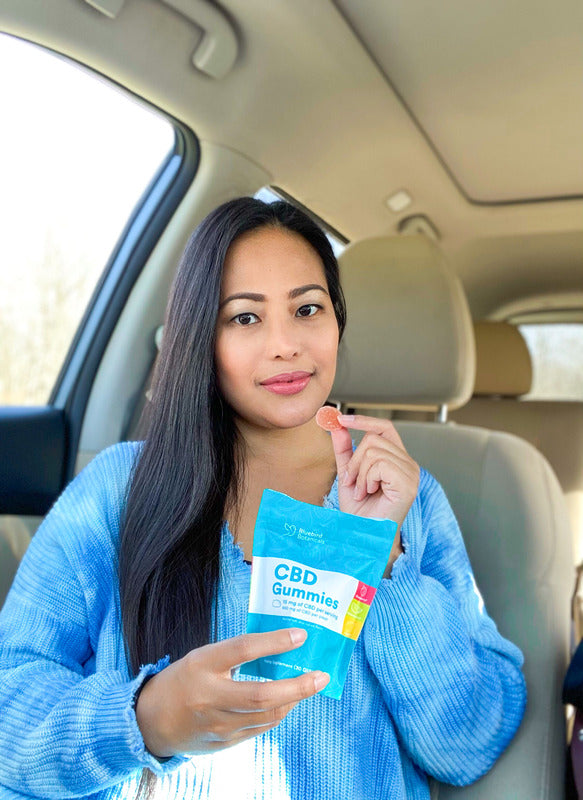
Woman holding CBD gummies pack, showing cbd gummies benefits for stress relief, portability, and easy on-the-go use

Brand Longevity and Consistency

While longevity alone does not guarantee trustworthiness, consistency over time can support credibility.

Supporting signals may include:

  • Ongoing publication of lab results
  • Stable transparency practices across product lines
  • Consistent documentation over multiple years

Important Context for Consumers

No single factor determines whether a CBD brand is trustworthy. Trust is established through a combination of transparent practices that allow independent verification.

Transparency does not imply effectiveness, health outcomes, or suitability for individual use. Consumers should evaluate factual information and make decisions based on their own needs and circumstances.

Frequently Asked Questions

Yes. Consumers can review ingredient lists, third-party lab reports, batch information, and educational disclosures to evaluate objective quality indicators.

Testing and disclosure practices vary by brand and jurisdiction. Not all companies publicly publish batch-level COAs, although many reputable brands choose to do so.